

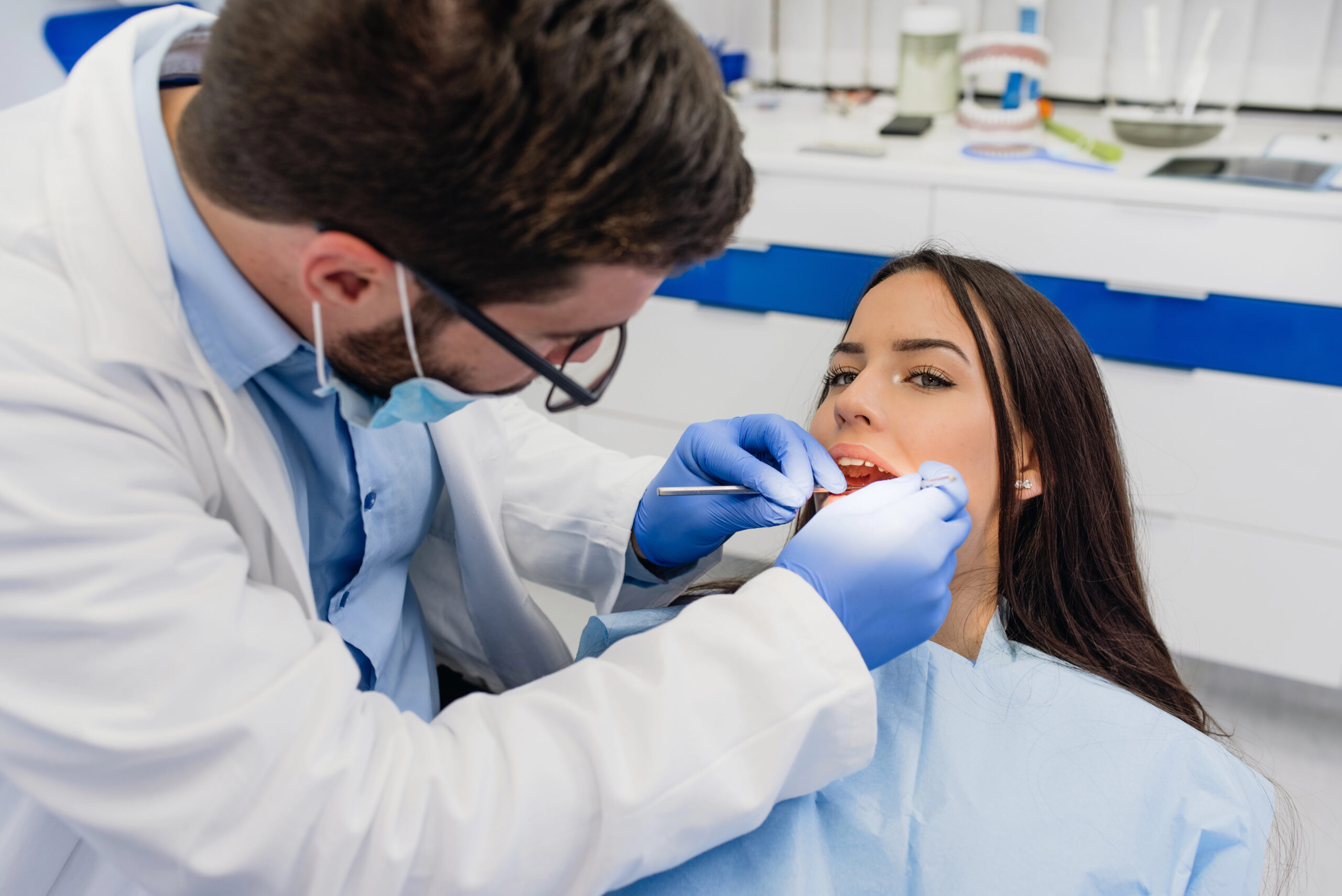
A sip of cold water should not require a careful plan. When a tooth reacts to temperature, sweetness, or brushing, the pattern can offer useful clues without identifying the cause by itself. For patients researching tooth sensitivity in Littleton, CO, understanding those patterns helps make sense of treatment options and the symptoms that deserve closer attention.
Why Can Teeth Become Sensitive?
Exposed dentin changes how a tooth responds
Enamel protects the visible portion of a tooth, while another protective layer covers its root. Beneath these surfaces lies dentin, a tissue containing tiny channels that communicate with the inner tooth. Exposure can make ordinary temperature changes uncomfortable because those channels allow stimulation to reach sensitive structures.
Enamel wear and gum recession are possible reasons for exposure, but they are not the only explanations. A cavity, fractured tooth, or worn restoration may also produce your symptoms. That matters because treating discomfort without checking its source can leave an underlying problem unresolved.
Gum recession can expose vulnerable roots
Receding gums can uncover root surfaces that are less resistant to wear than enamel. Brushing pressure, gum disease, and other factors may contribute. A dental examination helps distinguish exposed roots from decay, especially when the sensitive area sits close to the gumline.
Recession does not automatically mean advanced gum disease, and your sensitive tooth does not automatically need extensive treatment. The location, gum measurements, and condition of nearby teeth all help establish whether the issue is localized or part of a broader pattern.
What Do Different Sensitivity Patterns Suggest?
A brief response to cold or sweetness
A quick sensation that stops when the trigger disappears may occur with exposed dentin or a minor irritation. It can also occur with decay, which is why duration alone cannot confirm a harmless cause. Changes that recur or become more noticeable warrant evaluation.
Noting whether one tooth or several of your teeth react can be helpful. Sensitivity across multiple teeth after a whitening product suggests a different starting point than discomfort in one tooth with an old filling. Neither pattern provides enough information for a diagnosis at home.
Lingering pain or discomfort when biting
Pain that continues after a hot or cold trigger has gone away can suggest irritation deeper inside the tooth. Pain during chewing may involve a crack, restoration problem, or inflamed tissues. These symptoms deserve more attention than a single momentary temperature response.
Repeatedly biting on your painful side to test it can aggravate the area. A better record includes when the pain started, what triggers it, and whether it interrupts your sleep. This information gives the dentist a clearer picture without adding unnecessary pressure to the tooth.
How Is Tooth Sensitivity Evaluated in Littleton?
History and examination work together
The evaluation usually begins with questions about symptoms, recent dental treatment, whitening, brushing habits, and medical history. The dentist then checks teeth, gums, and restorations. Because several conditions can feel similar, the examination focuses on finding a cause rather than assigning treatment from symptoms alone.
Depending on the findings, temperature testing, bite testing, or dental X-rays may be appropriate. Not every patient needs every test. Some cracks are difficult to see on an X-ray, so a normal image does not necessarily explain away a persistent symptom.
Bring a list of products used recently, including whitening strips and abrasive toothpastes. Also mention reflux or frequent acidic drinks when relevant. These details help identify possible contributing factors while allowing the dentist to assess whether another dental problem is present.
A filling or crown may require closer inspection when sensitivity develops around your previously treated tooth. Its edges, surrounding enamel, and contact during biting can affect comfort. A restoration that looks intact from the front can still have a problem elsewhere.
Temporary sensitivity can occur after some dental procedures, but worsening symptoms should not simply be attributed to normal recovery. The expected course depends on the procedure and tooth condition. Describing the timing helps separate an improving response from one needing further assessment.
Which Treatments May Help Sensitive Teeth?
Reducing exposure and supporting home care
For suitable cases, a desensitizing toothpaste or professional fluoride treatment may help manage symptoms. These approaches do not repair a crack or eliminate a cavity. They work best when the cause has been assessed and the product is used as directed.
A soft-bristled toothbrush and gentle pressure can reduce avoidable irritation. Scrubbing harder does not improve cleaning and may contribute to wear, which is why your technique matters as much as frequency. Cleaning between teeth remains important even when one area feels sensitive.
Frequent acidic drinks can contribute to enamel wear over time. Reducing how often they contact your teeth and choosing water between meals may help limit exposure. This is a preventive adjustment, not a replacement for evaluating a tooth that already hurts.
If decay or a damaged restoration is responsible for your symptoms, a filling or other restorative treatment may be considered. A weakened tooth may need a crown instead. The choice depends on remaining tooth structure, the location of damage, and whether the inner tooth is healthy.
Root canal treatment may be appropriate when the pulp inside a tooth is irreversibly inflamed or infected. Sensitivity alone does not establish that need. A diagnosis matters because a treatment suitable for exposed dentin would not address infection within the tooth.
Facial swelling, fever with dental pain, or rapidly worsening symptoms require urgent assessment. Difficulty breathing or swallowing is a medical emergency. These warning signs fall outside routine sensitivity management and should not be managed by changing toothpaste alone.
Frequently Asked Questions About Tooth Sensitivity
Can sensitivity toothpaste fix every sensitive tooth?
No. It may help certain forms of dentin sensitivity, but it cannot repair decay, stabilize a fracture, or treat an infected tooth. Persistent or changing symptoms need evaluation so the treatment addresses the actual cause.
Does sensitivity mean a tooth has a cavity?
A cavity is one possibility, not the only one. Exposed roots, enamel wear, whitening products, and damaged restorations can also cause symptoms. A dental examination is needed to distinguish between conditions that feel similar.
Should brushing stop when a tooth feels sensitive?
Usually, stopping cleaning allows plaque to accumulate and can create additional problems. Gentle brushing with a soft brush is a better starting point unless the dentist gives different instructions. Severe pain or bleeding needs assessment rather than more forceful cleaning.
Can teeth grinding contribute to sensitivity?
Grinding or clenching can place repeated stress on your teeth and restorations, and wear or fractures may follow. It is not the explanation for every sensitive tooth. Any protective appliance recommendation should follow an examination of your bite and tooth condition.
How Rocky View Family Dental and Implant Center Can Help
Rocky View Family Dental and Implant Center in Littleton provides preventive and restorative dental care with Dr. Walt Vogl, DDS. An evaluation can help identify the reason for sensitivity and determine whether monitoring, home-care changes, or treatment is appropriate.
Visit the practice website to learn about restorative dentistry services, or explore the dental blog for additional patient information. To arrange an assessment, use the contact page or call 303-797-6129. The office is located at 1 W Dry Creek Cir, Littleton, CO 80120.